
Frensham Junior School
About Frensham Junior School
A foundation for lifelong learning
Frensham Junior School is a place where curiosity, confidence, and a love of learning are nurtured in every child from their very first days at school. Set in the beautiful Southern Highlands, its unique environment encourages outdoor exploration, independence, and a sense of wonder, helping students feel known, supported, and challenged as they grow.
Each student is guided by passionate staff and an engaging curriculum that builds critical thinking, collaboration, and adaptability, with kindness, resilience, and empathy woven into daily learning. Supported by the wider Frensham Schools network, students enjoy a seamless educational journey from Pre-Kindergarten to Year 6 and beyond — one that is active, joyful, and connected.
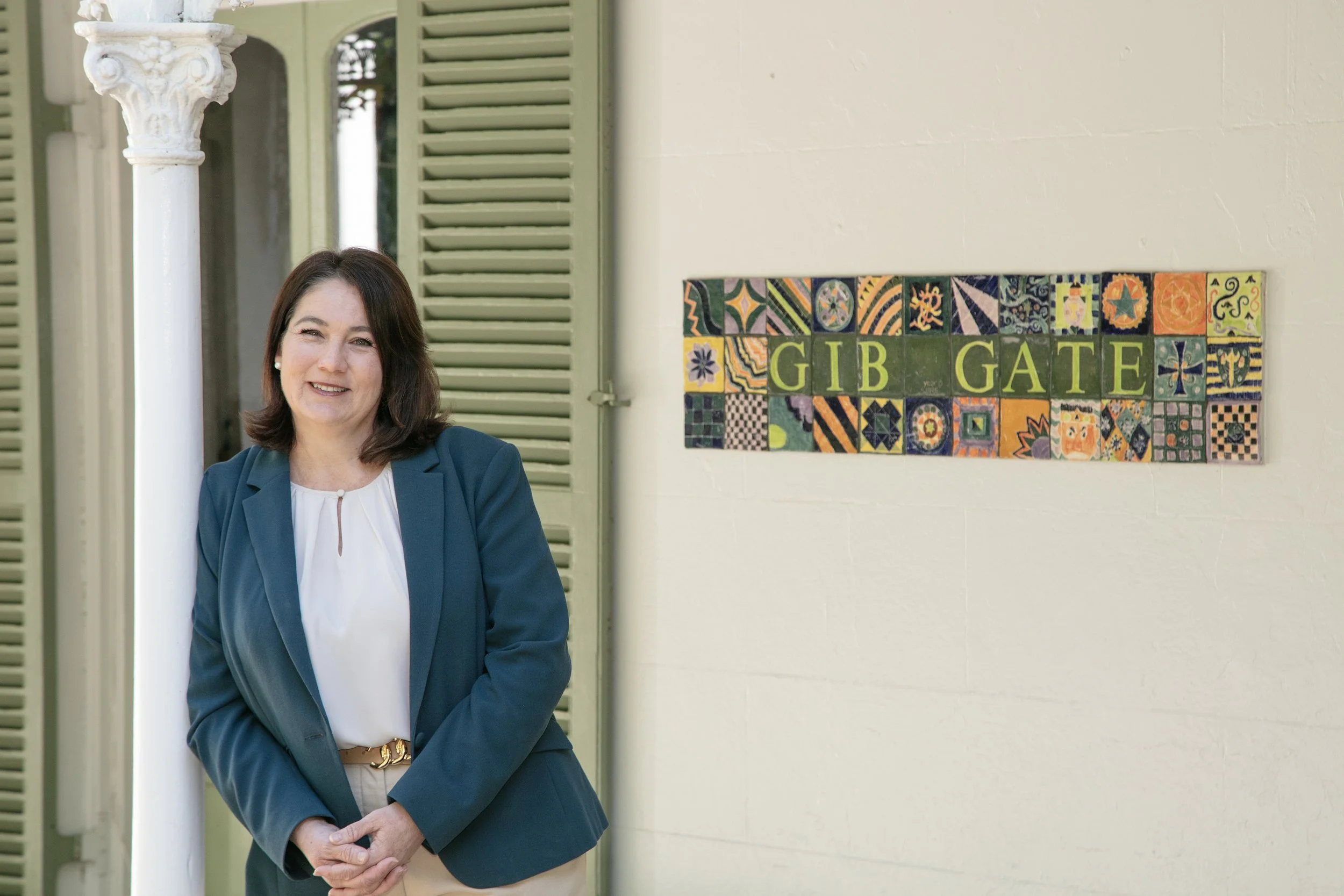
As an educator, I find great joy in helping young learners discover their strengths and develop the courage to be themselves. I warmly invite you to visit us, meet our wonderful students and staff, and experience the Frensham Junior School community for yourself.
Lucy Gregory
Head of Frensham Junior School
Supporting every young student
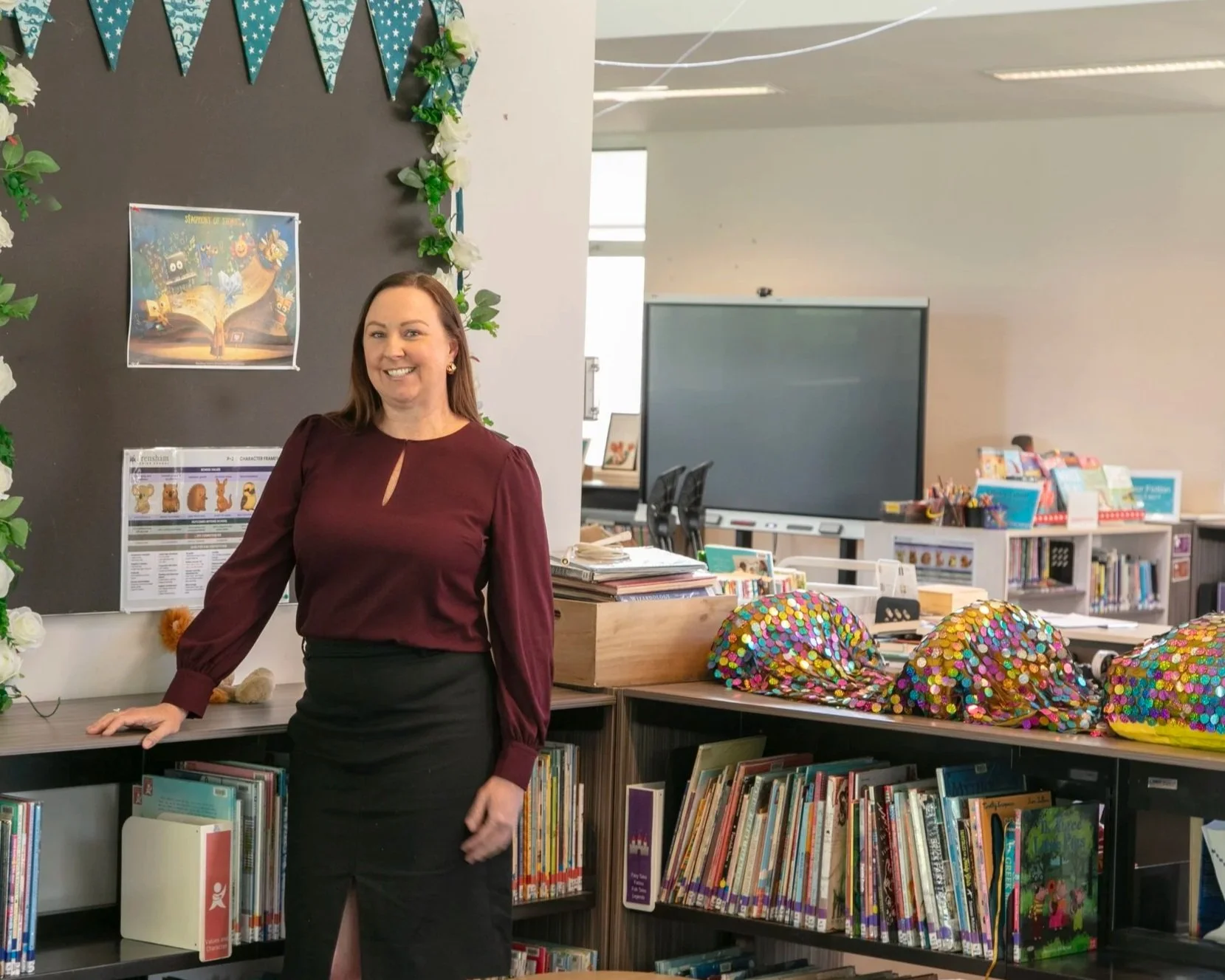
We recognise that every child learns differently, and we're committed to providing the support and challenge they need to thrive. Through personalised learning programs and specialist intervention teaching, including MULTILIT-trained literacy support, students progress at a pace suited to their needs.
An inclusive and adaptable learning environment
For exceptional talent, our High Potential Learners program offers tailored extension, identified jointly by executive staff and parents. Teaching staff trained through UNSW's GERRIC Gateway program deliver advanced learning experiences, including the Grasshopper Program, which allows students to move between grade levels to learn at an accelerated pace.
Teaching & Learning
At Frensham Junior School, our approach to teaching and learning is based on an Integrated Inquiry model, designed to develop deep thinking, curiosity, and a genuine love of learning. Through rich, interconnected learning experiences, students are encouraged to explore topics in depth, make meaningful connections across disciplines, and develop the skills to generate and apply knowledge in sophisticated ways.
A dynamic and engaging approach to learning
We recognise the fundamental importance of strong foundational skills in literacy and numeracy. Explicit instruction and opportunities for deliberate practice ensure that students build confidence, accuracy, and fluency, providing them with the essential tools to engage deeply with their learning and apply their understanding across all areas of the curriculum.
Frensham Junior School Curriculum
By fostering inquiry, creativity, and critical thinking, we equip students with the skills and confidence to engage with the world around them, preparing them for success in their future learning and beyond.
Guided by the NSW Education Standards Authority (NESA), our curriculum encompasses six broad Key Learning Areas, ensuring a well-rounded and engaging education:
-
As well as being an area in its own right, English is learnt across all curriculum areas. This role of English across the curriculum is part of our explicit planning and teaching. The purpose of language is to communicate. In order for children to communicate in increasingly sophisticated ways they need to experience success by seeing that they can communicate with meaning. At Frensham Junior School we respond firstly to the meaning in children’s reading and writing.
Our program includes those aspects of English teaching that have been validated by research and proven to be effective in classrooms. Students are:
taught the letter-sound relationships of the language;
given daily teacher-directed instruction in reading, spelling and writing;
taught a full range of strategies to apply in reading, spelling and writing;
encouraged to read aloud regularly to an adult;
exposed to texts that are widely regarded as quality literature across a range of genres;
taught specific aspects of grammar and punctuation;
encouraged to develop an appreciation and critical response to imaginative, persuasive and information texts;
exposed to classic literary works;
given many opportunities to practise and to experiment with their new knowledge in written, read, viewed and spoken texts.
-
The NESA Mathematics syllabus is organised into strands: the process strand of Working Mathematically, and the content strands of Number & Algebra, Measurement & Space, Statistics & Probability. The Working Mathematically strand outcomes are pursued throughout each of the strands and sub strands.
We aim for our students to:
develop positive attitudes towards Mathematics and the personal qualities required to pursue mathematical activity;
develop their mathematical knowledge, skills and ways of thinking for:
using Mathematics in their everyday lives, including leisure;
using Mathematics as a basis for making, evaluating or judging;
engaging in the mathematical study needed for further education and employment;
communicate mathematically and interpret information where Mathematics is used;
use techniques and tools which are appropriate to modern Mathematics;
use Mathematics as a means for solving problems, both within and beyond the classroom, using a range of methods involving mental, manual and technological processes.
-
The History K–6 Syllabus provides opportunities for students to learn about Change and Continuity. Students investigate their connections with the past through personal, family and local community history. They examine significant events and people that shaped Australian colonies and the nation.
Cultures is represented in both the History K–6 Syllabus and the Geography K–6 Syllabus. In History and Geography K–6, students learn about the diverse cultures of Australia, including Aboriginal and Torres Strait Islander cultures. Students learn about the importance of intercultural understanding through examining the perspectives, beliefs and values of people, past and present.
Environments is predominantly represented in Geography K–6, where students explore the natural and human features of a range of places, across local and global scales. Students learn about how and why places and environments change and how they can be cared for and managed in a sustainable way.
Learning opportunities for Social Systems and Structures are provided through the content of the History and Geography syllabuses and through learning across the curriculum content. Students learn about the roles, rights and responsibilities people have within society and the development of Australian democracy. In History K–6, students examine the contribution of individuals and groups to Australian society in areas such as the economy, education and the arts.
-
Japanese language and culture are taught from Preschool to Year 6, with K-6 students engaging in weekly lessons and fortnightly Zoom sessions with Frensham Junior School’s sister school, Hokuriku Gakuin. Since 1990, we have maintained a connection with Hokuriku Gakuin School, in Kanazawa, Japan.
Students and teachers from each school participate in an cultural exchange program. Frensham Junior School students are offered a Japan Tour when they are in Year 4, Year 5 or Year 6 which allows them to experience daily life in another culture, practise language skills and establish international friendships. Frensham Junior School families also act as hosts in billeting Hokuriku Gakuin students when they visit our School.
-
The study of Science and Technology in K–6 enables students to explore scientific and technological concepts and develop knowledge and understanding of the world; enabling them to inquire, plan, investigate and develop solutions to problems. Through the application of Working Scientifically, and Design and Production skills, students develop an interest in and an enthusiasm for understanding nature, phenomena and the built environment.
Students develop and apply skills in: scientific inquiry through the process of working scientifically; design and production processes in the development of solutions; design and production of digital solutions. These skills are important in preparing students to succeed in a rapidly developing technological world.
Students develop knowledge and understanding of: the natural world including living things, materials, forces, energy, and Earth and space; the built environment including engineering principles and systems, food and fibre production, and material technologies; digital technologies including digital systems and how digital technologies represent data.
Science and Technology K–6 is an integrated discipline that fosters in students a sense of wonder and curiosity about the world around them and how it works. The syllabus provides students with the opportunity to make meaningful connections with the broader learning outcomes of the K–6 curriculum in English, Mathematics, History, Geography, Creative Arts, Languages and PDHPE through authentic application of relevant knowledge and acquired skills. Science and Technology K–6 encourages students to embrace new concepts, the unexpected and to learn through trialling, testing and refining ideas
-
Children in all years use computer technology to support and enrich their learning. Learning within this field is a part of the overall program of study and different forms of technology are used as tools within all KLAs. In addition, the children’s accumulation of understanding and skills in regard to the uses and functions of different technology is programmed K-6.
Students in Years 3-6 participate in cyber bullying and internet safety sessions. Students, parents and the School discuss the appropriate use of computer technology and students are required to sign an ICT Agreement.
Year 6 BYOD Program
Bring your own device (BYOD) refers to technology models where students bring a personally owned device to school for the purpose of learning. Today, students have wide-reaching access to digital resources. By effectively leveraging such resources, we can not only deepen student learning, but also develop students’ digital literacy, fluency and citizenship, preparing them for the world in which they will live learn and work.
We have a responsibility to teach students how to effectively manage and use technology in preparation for Secondary schooling. The skills students need are not just technical – they must also be able to communicate effectively, know when to use technology and when not to, and be able to use technology purposefully without being distracted. Like most skills, these are learned and improved with practice.
Broadly speaking, the major goals of the Frensham Junior School BYOD Program are greater personalisation and ownership of the learning experience, and improved access to information resources.
Parents are recommended to view the following website to find out important information regarding Cybersafety: www.esafety.gov.au
-
As a part of the overall policy of providing a supportive learning environment at Frensham Schools, at Frensham Junior School we build personal development into our classroom management and teaching practices. We also have an explicit program of Health and Personal Development that is sequential throughout the school. This KLA assists students to develop self-esteem, social responsibility, physical activity, movement skills and the ability to make informed decisions about health and lifestyle.
Students participate in weekly PDHPE lessons and Sport sessions with a specialist teacher. A range of sporting teams and activities are also offered.
-
The aim of this program is to develop in all students a vital interest in learning through the Visual Arts, Music, Drama and Dance. Students learn to value the personal and shared meanings gained from experiencing the Arts; appreciate how the Arts celebrate, reflect and challenge societies and culture; and appreciate how the Arts are structured to provide for the communication of ideas including their own.
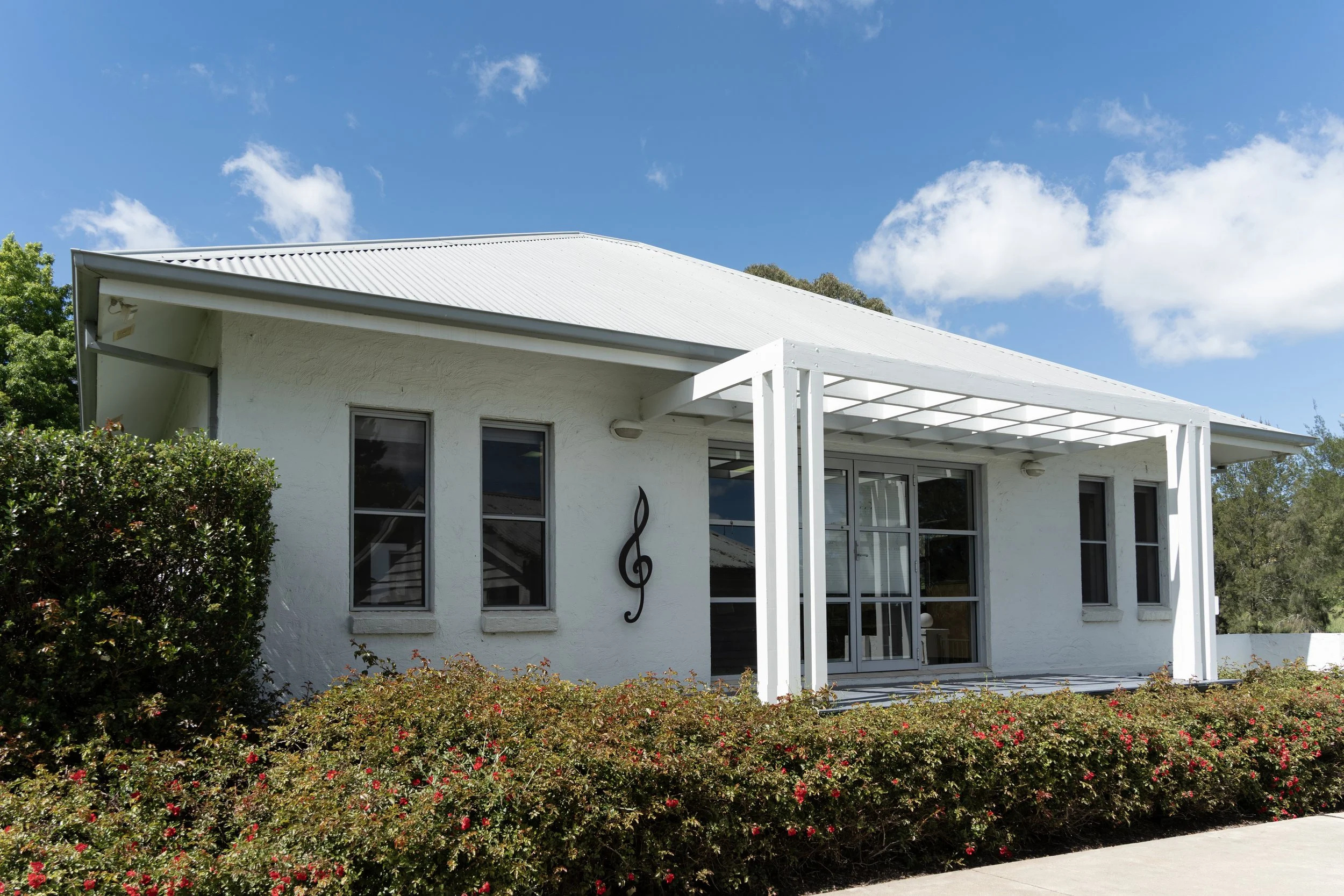
Years 2 and 3 students participate in a strings group program as a component of their Music lessons. Students participate in weekly Art and Music lessons in the purpose-built facilities with specialist teachers. All students participate in Choir from Kindergarten. We also have a School Orchestra and small instrumental ensembles. There is also a range of Co-curricular Arts Activities available after school for interested students.
Throughout the year there are many occasions for students to share their work, publicly and for each other through Performance Assemblies, Soirées, Cultural Performances and Exhibitions, and all students from Preschool to Year 6 participate in an annual Musical Production.
Jamieson Program & Activities
Extra-Curricular Activities
The Extra-Curricular program at Frensham Junior School provides a unique opportunity for our students to benefit from a wide array of enriching learning experiences.
Whether attending classes before or after school, students learn new skills, develop their talents, and build meaningful connections with tutors and peers across different year levels.
-
Lucy’s Craft gives students the opportunity to explore textile techniques through individual and collaborative projects. Using a variety of felt, cotton and other materials, students create personalised items such as pincushions while sharing ideas, supporting one another and developing their creative skills.
-
The After-School Nature Class gives students opportunities to explore the natural environment while developing a strong sense of environmental responsibility. Through hands-on sustainability projects, students work together to care for their surroundings, learn about local biodiversity and find creative ways to repurpose materials.
Students might collect recycled materials from home and school to create and restore habitat projects, using items such as timber offcuts, tin cans, pots, pans, netting and string. Through these experiences, they develop practical skills, creative problem-solving and a deeper understanding of how their choices can contribute to a more sustainable future.
-
The RoboCup program challenges students to combine robotics, coding, creativity and performance. In the RoboCup Junior OnStage division, students work collaboratively to create and perform themed presentations incorporating robotics, autonomous coding, music, props and storytelling.
Through the process of developing and refining their routines, students build problem-solving, computational thinking and teamwork skills. The program encourages students to experiment, adapt and find creative solutions as they bring their ideas to life.
-
Chess Club gives students the opportunity to develop strategic thinking, problem-solving and concentration through regular matches and guided learning. Students explore opening strategies, King safety, tactical moves such as pins, forks and double attacks, and a range of checkmate patterns.
Through their participation, students develop patience, adaptability and confidence while learning to support their peers and engage respectfully with others. Opportunities to participate in interschool events also allow students to apply their skills and connect with the wider community.
-
The Debating program develops students’ confidence, critical thinking and communication skills through engaging, age-appropriate activities. Students learn to structure persuasive arguments, support ideas with evidence and deliver respectful rebuttals, while developing essential speaking techniques such as voice projection, expression, eye contact and body language.
Students have the opportunity to take on a range of roles within a formal debate, including speaker, team advisor, chairperson and timekeeper. Through these experiences, they build confidence in expressing ideas, listening to others and communicating with purpose.
-
The Dance program gives students the opportunity to explore musical theatre while developing confidence, coordination and performance skills. Students learn choreography while refining physical skills such as leaps, kicks and splits.
Through movement and performance, students develop strength, technique and self-expression, while building confidence in sharing their work with an audience.
-
The Junior STEM program fosters creativity, problem-solving and innovation through hands-on learning. Students explore engineering concepts by designing and building marble runs from recycled materials, developing resilience as they plan, test and refine their designs.
Students also develop coding and computational thinking skills using LEGO® WeDo to build interactive robots and Code Camp to program simple games. Through these experiences, students build confidence, critical thinking and collaboration skills while applying their learning to solve real-world challenges.
-
Knit and Sew combines community service with creative craftsmanship. Students use their skills to create practical items for injured native wildlife, including warm, colourful survival pouches and removable nappy liners. Finished items, accompanied by student letters, are donated to WIRES wildlife rescue organisation.
Through this hands-on project, students develop creative skills while learning the value of empathy, service and contributing to the care of animals in need. The program gives students a strong sense of purpose and helps build confidence, connection and emotional resilience.
-
Art Club students collaborate on creative projects for the school grounds, developing their hand-building techniques and exploring how three-dimensional ideas can be translated into drawings and prints.
The program offers age-focused opportunities for students to explore a range of artists, materials and techniques:
Senior Art Club (Years 3–6): Inspired by artists Louise Nevelson and Pablo Picasso, students explore drawing, painting, collage and clay sculpture. The focus is on experimentation, problem-solving and developing techniques such as layering, joining and assemblage.
Junior Art Club (Years K–2): Inspired by Henri Matisse and Hilma af Klint, younger artists experiment with drawing, painting, paper-cutting and papier-mâché. Students build confidence and fine motor skills as they explore colour, shape and texture in a supportive environment.
Jamieson Service Activities
Anthem Retirement Village Visits
As part of the Community Service Program, students from Kindergarten to Year 6 have opportunities to connect with residents at Anthem Retirement Village. Each class prepares whole-group songs and poems, alongside individual musical recitals, creating meaningful opportunities for students to share their talents with the broader community.
These visits encourage students to develop empathy, kindness, respect and social-emotional maturity. Through simple acts of connection and service, students discover the value of bringing joy to others and contributing positively to their community.
Buddy Program
The Year 6 and Kindergarten Buddy Program fosters meaningful cross-age collaboration, giving students opportunities to learn from and support one another. Through shared learning experiences, students develop teamwork, communication and problem-solving skills while building strong connections across year levels.
Outside the Classroom
Discovering new passions beyond the curriculum
We believe in providing a broad and enriching school experience that nurtures curiosity, creativity, and personal growth. Alongside a strong academic foundation, our co-curricular offerings give students the opportunity to explore new interests, develop new skills, and discover their passions.
From Art and Drama to Robotics and Tournament of Minds, our extra-curricular activities evolve based on student interest. Through diverse opportunities, we encourage students to step outside their comfort zones, develop confidence, and embrace the joy of learning in every aspect of school life.
-
Held during Thursday second lunch, Bush Bikes provides students in Years 2–6 the opportunity to explore our woodland area on two wheels. Riding from the main playground gate around the periphery of the Land for Wildlife zone, students tackle rough terrain, stones, mounds, dips, and longer grass. This activity offers a fun challenge that builds off-road riding fitness, resilience, and independence as students set new personal targets to improve their technical skills week by week.
-
Our chicken farm provides students from Preschool to Year 6 with opportunities to develop responsibility, leadership and care for animals. Students take part in the daily care of the flock, with responsibilities including topping up feed and water, distributing food scraps, refreshing bedding and giving the chickens time to free-range outside the coop.
Year 6 students take on leadership roles by organising rosters and supporting younger students as they learn to care for the chickens. Through these shared responsibilities, students develop practical skills, active citizenship and a generous spirit of care while working together around a shared love of animals.
Students might collect recycled materials from home and school to create and restore habitat projects, using items such as timber offcuts, tin cans, pots, pans, netting and string. Through these experiences, they develop practical skills, creative problem-solving and a deeper understanding of how their choices can contribute to a more sustainable future.
-
Connected to the chicken farm, the Patch Pantry initiative provides students with hands-on opportunities to learn about gardening, sustainability and service. Run by the FOGG team, students and parent volunteers work together to plant, water, maintain and harvest vegetables from the playground garden beds.
Fresh produce and eggs are also available for purchase, helping promote sustainable food practices and support the ongoing care of the chickens. Through these experiences, students develop responsibility, teamwork and a practical understanding of how they can contribute to their school community.
The Outdoors as our Classroom
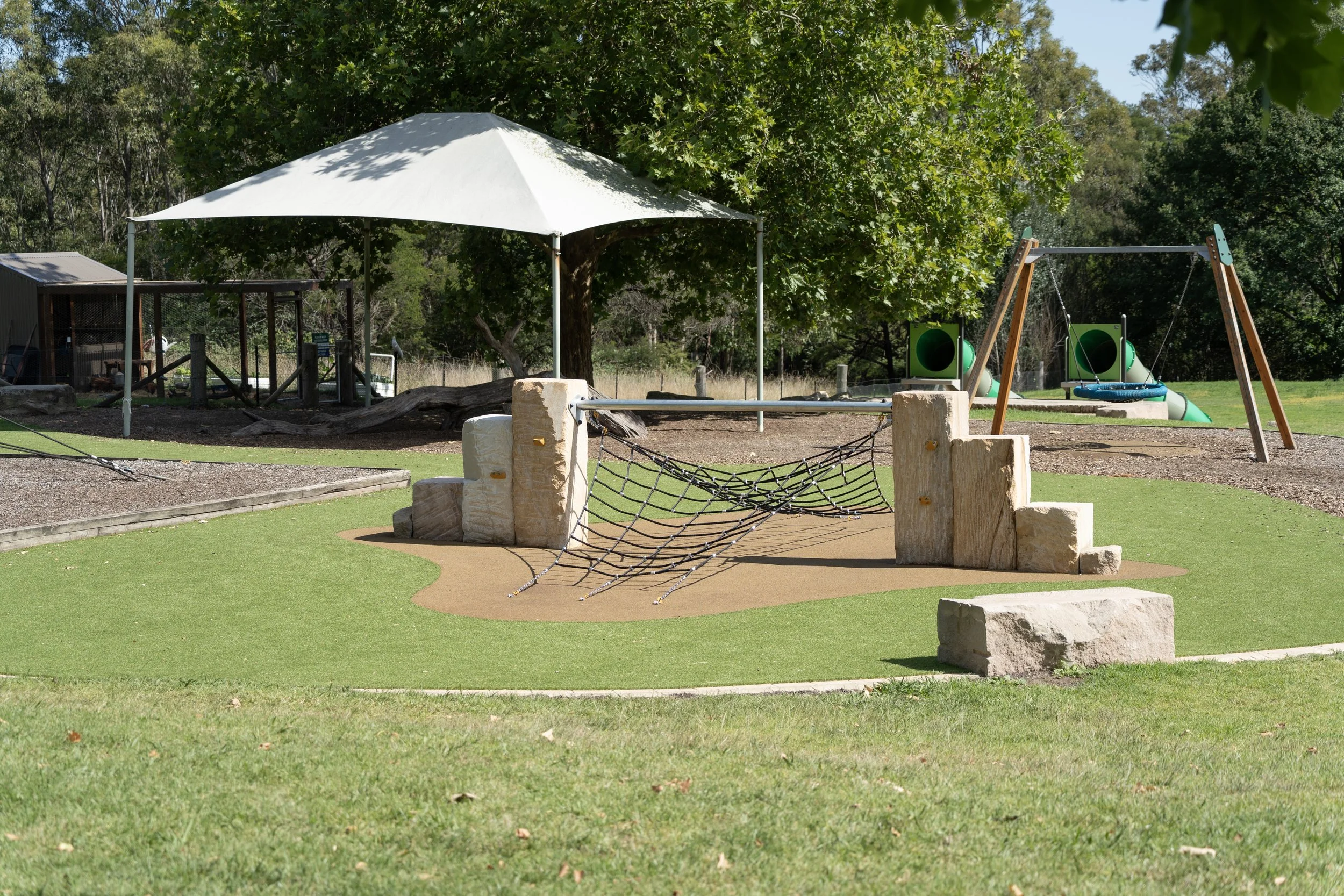
Set on a 10-acre bushland campus, the natural environment at Frensham Junior School is an extension of the classroom. Our beautiful campus provides daily opportunities for exploration, discovery and connection with the natural world, fostering independence, resilience and a sense of wonder as children investigate insects, build with natural materials or simply enjoy open space.
Outdoors, children play together to create stories and roles using natural materials, notice changes in the weather and its impact on the vegetable gardens, and help care for the chickens. They climb, balance and move confidently across the campus's natural outdoor spaces, asking questions and investigating insects, plants and natural features as they experience the outdoors as a place of possibility and growth.
Japan Exchange
A 30-Year Connection with Japan
For more than 30 years, Frensham Junior School has shared a special connection with Hokuriku Gakuin Elementary School in Kanazawa, Japan. Through our student exchange, students have the opportunity to experience Japanese culture firsthand, build friendships and develop a deeper understanding of the world beyond their own community.
From exploring the historic cities of Nara and Kyoto to staying with Japanese host families in Kanazawa, students experience Japanese traditions, language, food and daily life in ways that extend well beyond the classroom. Along the way, they build friendships, confidence and a deeper understanding of another culture, making the exchange a memorable part of their Frensham Junior School experience.
Pre-Kindergarten
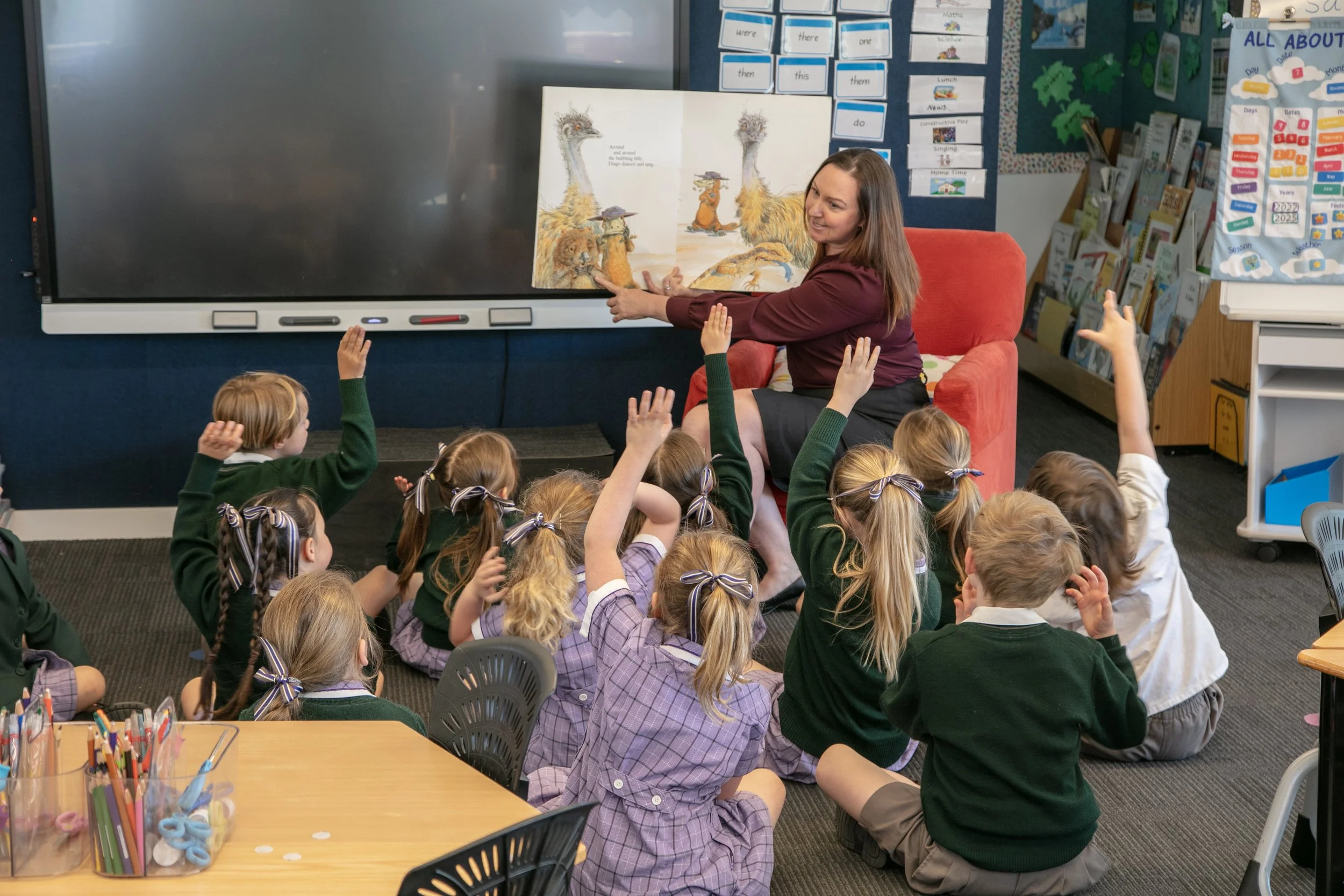
The early years of learning should feel both joyful and purposeful. Our Pre-Kindergarten program is thoughtfully designed to give children a confident start to their learning journey, with a seamless transition into Kindergarten. Pre-Kindergarten offers a bespoke early learning experience aligned with Frensham Junior School’s K–6 philosophy.
Nurturing early learning and development
Through carefully structured programs, dedicated teaching staff and purpose-designed learning spaces, each child is supported to grow socially, emotionally and academically. Pre-Kindergarten is offered as a 3-Day or 5-Day program. The 3-Day program runs from Monday to Wednesday.
Pre-Kindergarten ensures each child is ready to make a smooth and successful transition into the Kindergarten environment, including its routines and expectations. The program focuses on developing the skills needed for this transition, including social skills, language development, play, physical coordination and self-care.
A Thoughtfully Designed Early Learning Program
These foundational skills help make learning both enjoyable and accessible for young children. We aim to nurture confident, capable Pre‑Kindergarten students through three key areas of development:
-
Self‑regulation: Develop strategies to manage emotions, behaviour and attention, supporting participation in learning and play.
Emotional development: Recognise and express emotions, respond to challenges in age‑appropriate ways and recover from disappointment or frustration.
Sensory awareness: Respond to sensory experiences in their environment in ways that support engagement, focus and wellbeing.
Physical coordination and self‑care: Build independence in everyday routines, supporting confidence and readiness for Kindergarten.
-
Receptive language (understanding): Understand spoken language, including vocabulary, instructions, questions and ideas, in group and peer interactions.
Expressive language (using language): Use increasingly complex sentences, an expanding vocabulary, and share ideas, experiences and simple stories.
Speech clarity: Speak clearly and be understood by familiar adults and peers.
Social skills: Engage positively with others, communicate verbally and non‑verbally, negotiate with peers and follow agreed social expectations.
-
Play‑based learning: Explore ideas, materials and relationships through purposeful play that supports curiosity and meaning‑making.
Problem‑solving and thinking skills: Plan, organise and solve problems through play and inquiry, such as deciding how to build or create something and overcoming challenges.
Planning and sequencing: Follow and carry out multi‑step experiences and routines to achieve a clear purpose or outcome.
Our outdoor spaces including our extensive games fields, the playground, bike track, Land for Wildlife area, and the chicken coop.
Frensham Junior School Virtual Tours
Our indoor spaces including our classrooms, the library, the music centre, and the art room.