


Like many of us, I really enjoy catching up on reading during the holiday period. Over the last break I managed to read “The Anxious Generation”, a book recommended to me by a colleague.
The author, @Jonathan Haidt, is a social psychologist and his central claim in the book is that “overprotection in the real world and underprotection in the virtual world” are the major reasons why children born after 1995 have become more anxious. He is the first to acknowledge that his work is not a peer reviewed scientific piece, and he notes that “I will surely be wrong on some points”, however, much of what he says rings true from the discussions I have with parents and fellow Heads and the observations of our students and children more generally.
Unfortunately, the data tells us that after more than a decade of stability or improvement, the mental health of adolescents in the western world declined in the early 2010s and continues to be of major concern today.
In summary, he investigates why children need play and independent exploration to mature into competent adults. He shows how “play-based childhood” began to decline in the 1980s, and for many children, how it was nearly wiped out by the arrival of the “phone-based childhood” in the early 2010s. He then presents the mechanisms by which this “great rewiring of childhood” has interfered with children’s social and neurological development.
As educators, we have observed that for some of our students their ability to think, focus, consider the needs of others and build close relations has diminished. That is, there seem to be more children struggling with these core skills.
The book is not all doom and gloom and Haidt does suggest four key reforms. As a true Boarding school (that is a school where most of the students are boarders) we are well on the way to meeting his first two suggested reforms.
Firstly, he advocates for phone free schools. This is key to our approach with students, only having their phones for a short period each day, primarily to call their parents.
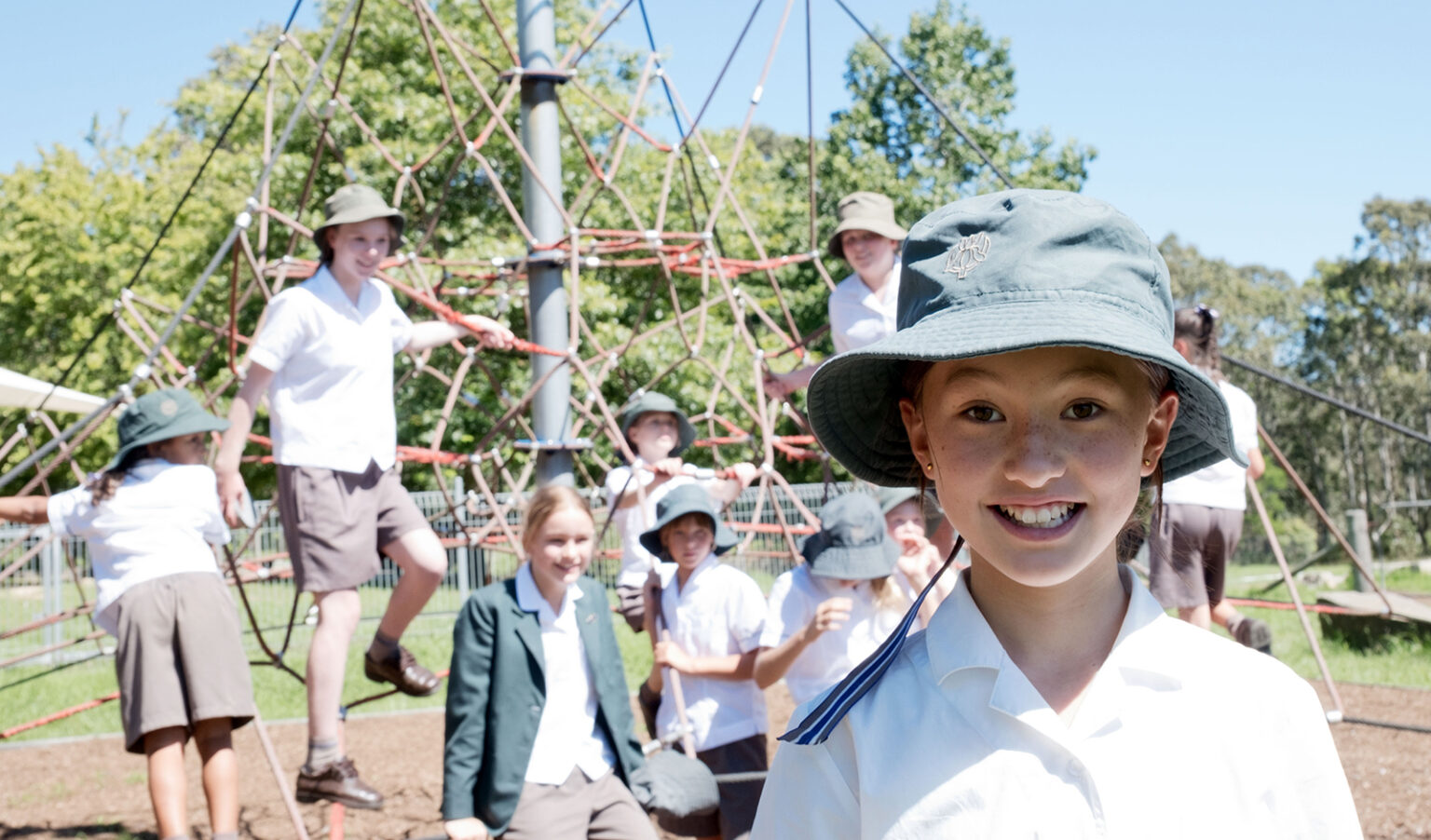
Secondly, we need to ensure our children have more time to play unsupervised, ideally in the outdoors. “So that they can develop the independence, social skills and healthy risk taking that is essential for their growth and development.” Secondary schools particularly are busy places and we like our children to be occupied and challenged. We also need to recognise that our younger students, particularly our primary aged and lower secondary students need free time together, that is ‘real’ time together, not ’virtual’ time together. This was certainly a recommendation that came out of the Boarding Forum last year.
His last two reforms are perhaps more difficult to achieve, requiring the support of our parents and community. He argues that parents should delay their children’s access to the internet by only giving them basic phones up until the age of 14. And, finally, we should allow our children to get through the most vulnerable period of their brain development without the influence of social media. This would mean no social media access until the age of 16. Certainly this is not the case for the majority of our students with many of them having social media access from Year 7 and some even earlier.
You can read the rest of the article in the latest edition of The Frensham Schools newsletter.
Interestingly, these suggested approaches to school management and parenting are gaining support not only in the education sector but also from social commentators, scientific researchers and mental health experts.
So, having said all that, the students at Frensham and Frensham Junior School have made a great start to the Term. We are living and operating in a ‘real’ community. The highlight of the first week and corresponding weekend was the occupational certificate for the new Sports Hall being granted and despite the rain, Frensham hosted 12 basketball games indoors on the first and second Saturday of Term.
The facility itself is magnificent and I would encourage you to drop in and see it in action. How fortunate we are to have a Foundation with the drive and capacity to support our schools.