


Nathan Bessant, Director of Studies
What does it mean to understand something?
I don’t mean to know something – that is easy. But to understand it? For example, to know somebody means you meet them once, remember their name, maybe what they do for work. But to understand that person requires much more. You need to know their context, their history, their likes, dislikes, proclivities, habits (good and bad), dreams, and fears. To do this takes time. No one understands someone on their first meeting (despite what romantic comedies might tell us). You need to spend significant time with somebody to understand them and watch them respond to different situations. You need to disagree with them, work to achieve something together with them, and feel success with them.
Moving this analogy to a different context: What does it mean to understand the experiences of soldiers at war? To understand the meaning behind Of Mice and Men, thermodynamics, Vermeer, Cicero? Many of our students may know features of these big topics, but do they understand them? And how do we teach this understanding?
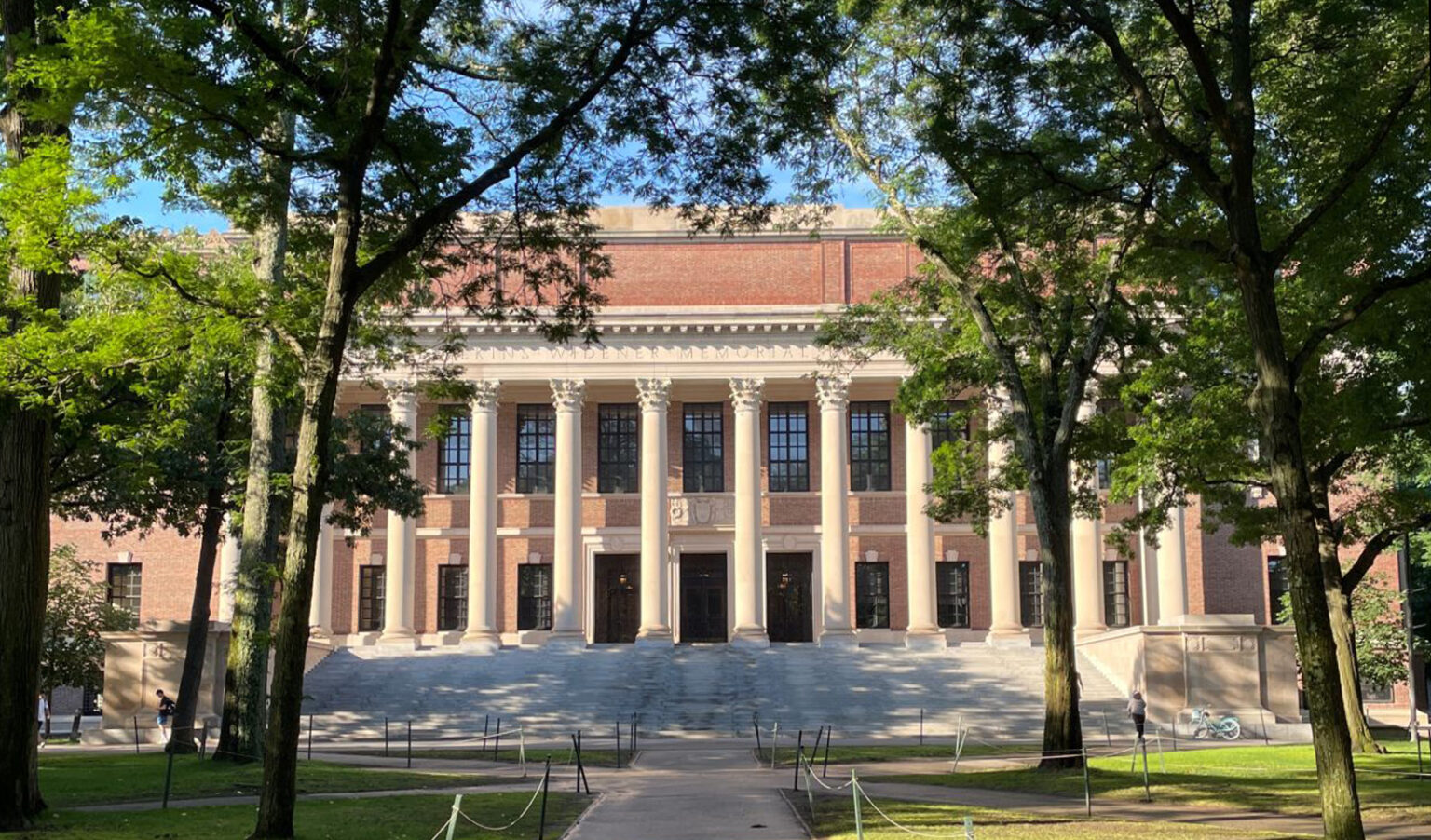
From June 24 to June 28, I was fortunate to attend the Harvard Graduate School of Education “Project Zero Classroom.”
The Harvard Graduate School of Education is the world’s foremost education school, responsible for major shifts in educational research, including Howard Gardner’s Theory of Multiple Intelligences, David Perkins and Tina Blythe’s Teaching for Understanding Framework, and Ron Ritchhart and Mark Church’s work on Cultures of Thinking.
The conference asked four big questions, all of which were relevant to our work here at Frensham Schools:
- What does it mean to understand? How does understanding develop?
- What are the roles of reflection and assessment in learning?
- How can we nurture critical thinking and creativity?
- How can we design learning experiences for and with diverse learners and contexts?
Exploring these throughlines was a career-defining experience. Led by some of the world’s best teachers, in an environment that demands and consistently redefines academic excellence, alongside passionate educators from around the world, three key ideas consistently rose to the surface.
The Project Zero Classroom 2024 Harvard Graduate School of Education
Idea 1 – Understanding is the goal
As outlined above, there is a significant difference between understanding and knowing. Within a teaching and learning context, this distinction creates challenges. The crowded nature of the syllabi of many disciplines leads to a fast-paced curriculum that lends itself more to surface knowledge rather than deep understanding.
Mindsets for understanding were discussed, as was the REACH framework, which provides students with lenses to frame the style of thinking required for a task, and gives teachers specific moves to enculturation approaches to learning. Another topic explored how meeting time here at school can be focused on growing understanding, rather than bureaucracy. The end result of this line of thinking was a clear mindset and toolkit targeted towards growing individual and collective understanding.
Idea 2 – Building understanding takes time
One of the most striking elements of the approach of the Harvard teachers was the pace of classes. Space was given for thinking, reflection, and collaboration. There were intentional moves to slow delegates down, which fought against our urge to move as quickly as possible to maximise learning. The result was a deeper insight into our thinking and clear examples, modelling the use of time in instruction.
For example, during a session outlining the ‘Open Canopy Approach’ to teaching and learning, one of the fundamental aspects is ‘slow looking’, specifically in relation to global connection and competencies. The result was a rich and detailed discussion, showing not only the differences between communities but the similarities too.
Taking time has always been a centrepiece of the cultures of thinking approach that we have used at Frensham, but it sometimes takes a reminder to fight against the increasing pace of the modern world.
Idea 3 – The role of school is to nurture human beings
This may seem obvious, but in an educational context driven by league tables and learning outcome indicators, we can miss the importance of the unmeasurable elements of development. Speakers from “The Good Project”, whose research focuses on teaching and learning that is excellent (high quality), engaging (meaningful), and ethical (socially responsible), discussed globally minded pedagogy and taking the initiative to connect students across the globe.
Speakers from Harvard’s Centre for Digital Thriving spoke about the way in which students need to positively engage with technology, and how to structure conversations on the issue that are both critical and optimistic. The constant focus of the course was on helping students see themselves as interconnected humans, with both an internal and external context to engage with.
Developing rich, deep, and wide knowledge is essential to future success, but knowing how and why to use this knowledge is equally important for our students to flourish.
I would like to thank the Winifred West Schools Foundation and all its supporters for the opportunity to attend Harvard and learn from world leaders in their field. The Foundation Scholarship is a unique opportunity that is essential to the continued growth in teaching and learning across our Schools.